
Tools2 min read3 sources
OpenAI and Cisco release Shirudo, open source protection for unpatched Linux servers
Shirudo aims to block the behaviour that triggers a flaw in a running Linux service without a restart; the code is open and the project is pre-release.
At a glance
- Date
- Topic
- Tools
- Reading time
- 2 min
- Sources
- 3
This entry is compiled automatically with AI and is not read by a person before it is published. Its sources are below. If you see an error, write to us.
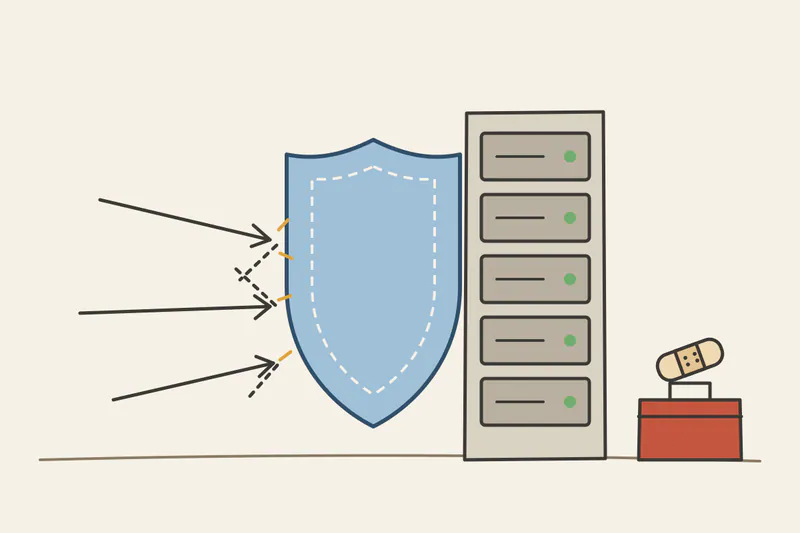
On 23 November 2026 OpenAI announced Shirudo, an open source runtime built with Cisco. The name is Japanese for shield. Its purpose is to cover the gap while a security patch is being tested and rolled out: small protections called shields block the behaviour that exposes a vulnerability, let legitimate requests through, and keep the service running without a restart. Shirudo is built on eBPF, a Linux technology for running small programs inside the kernel.
According to OpenAI, every shield is cryptographically signed and verified before it loads, and a TPM security chip supports a verifiable record of which protections were loaded or removed and when. Operators can watch a shield’s effect on applications before enforcing it, and the team decides what is deployed. The company says that in a controlled test a shield generated with Codex stopped an exploit attempt against a running Elasticsearch service without a restart. The project is published on GitHub under the BSD 2-Clause licence.
The repository describes Shirudo as pre-release. Production use needs a Linux kernel carrying Shirudo’s kernel patches and a TPM 2.0; for local testing there is a virtual machine setup that uses a software TPM.
What it means for you
The studio’s noteIn a small team, testing and shipping a patch after a vulnerability is disclosed can take days; Shirudo aims to cover that gap. But it is pre-release and needs custom kernel patches and a TPM 2.0, so for now it is not a direct option for most businesses on shared hosting or ready-made cloud servers. If you run your own Linux servers, look at it in the test virtual machine, but keep applying patches regularly and quickly as your main protection.